Key takeaways
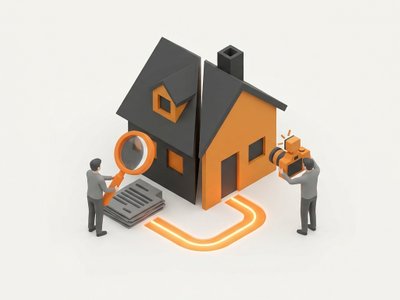
Most visits are wasted not because the buyer is unserious, but because the visit is doing two jobs at once: finding out what the property is like, and verifying whether it matches what they were told. Only the second one needs a person in the room.
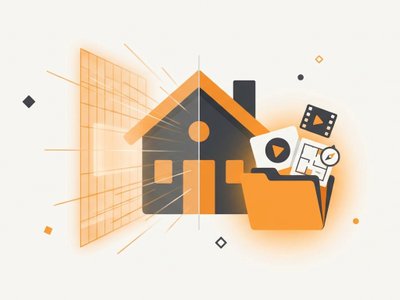
When the listing carries a complete visual file, the buyer arrives having already walked the rooms, checked the proportions and seen how the light moves. The visit becomes a confirmation instead of a discovery.
Nobody has to qualify anyone. The property does the work, and the owner stops spending Saturdays on people who were never going to buy.
Contents
The eight-minute visit
You know this one. Someone calls, asks if the house is still available, asks the price, and wants to see it Saturday. You tidy the place, get the dog out, open the windows, wait. They arrive, walk through the living room, look at the kitchen, ask how many bedrooms there are, and leave after eight minutes.
Nothing went wrong. Nobody was rude. The property simply was not what they pictured, and they found that out in person instead of finding it out on a screen.
Multiply that by a season of selling and you have the real cost of a thin listing. Not money: Saturdays. And the slow erosion of enthusiasm that comes from preparing your own home for strangers who leave without saying much.
Why visits get wasted
The uncomfortable truth is that a first visit is usually doing two jobs at the same time.
The first job is discovery: what is this place actually like? How big is the kitchen? Does the main bedroom fit a double bed? Is the terrace in the sun or in the shade? Which rooms connect to which?
The second job is verification: does it match what I was told? How does the street sound? What condition is the building in? Do I want to make an offer?
Only the second job requires a person standing in the room. The first one is pure information, and information can travel.
When a listing has a handful of photographs, both jobs land on the visit, because the photographs cannot answer any of the discovery questions. A photograph flattens a house into a series of unrelated rectangles. It cannot tell a buyer how the living room connects to the dining room, whether the second bedroom is genuinely a bedroom or a converted hallway, or what the afternoon light does in January.
So the buyer shows up to find out. And many of them discover, in the first minutes, that the property is not for them. That is not a failure of the buyer or of the house. It is a failure of the listing to do the part of the job that a listing can do.
What a complete visual file changes
Now the same buyer, a week earlier, at eleven at night, on a phone.
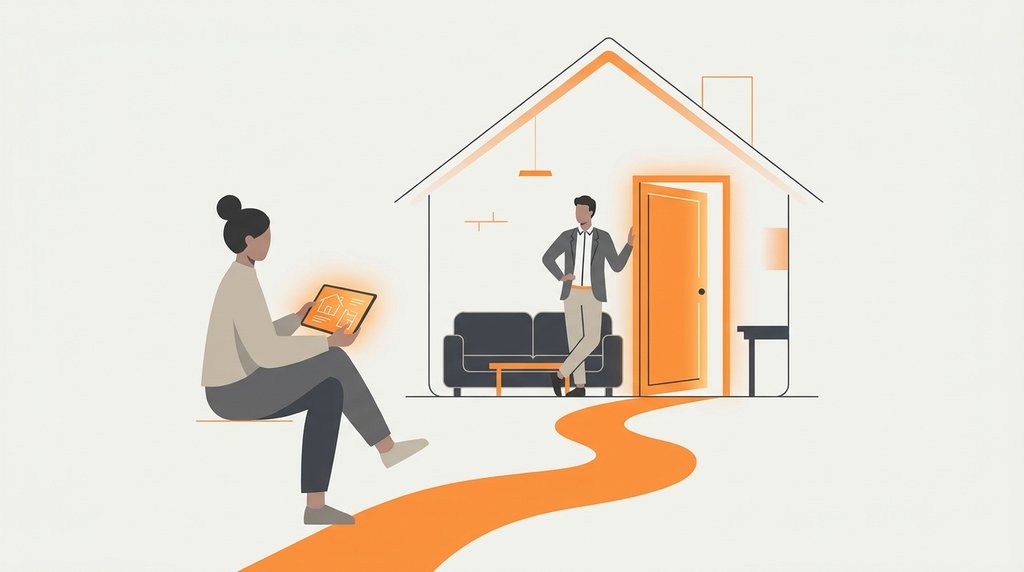
They open the listing and walk in at the front door. They move to the living room and turn around slowly, because what they need is the connection between spaces, not a view of one wall. They go to the kitchen and check where the fridge would sit. They walk to the main bedroom and count whether the bed and the closet both fit. Then they go back to the room they are unsure about and look at it again, from another angle.
Nobody does that at a physical showing, where an agent is waiting and the next appointment is forty minutes away.
They open the floor plan and check the numbers against what they just walked. They open the sun-path view and settle the orientation question that photographs cannot answer, because a photograph is taken at one hour on one day. On domizello the tour, the sun-path plan and the exact map location open behind a free account, deliberately: walking through someone's home in 3D is close to visiting it, and the platform keeps a basic record of who entered, for the privacy and security of the people who live there.
By the time that person presses the contact button they have spent time inside the property on their own terms. They know the layout. They know the kitchen is smaller than they hoped, or bigger. They have already decided whether it is worth a Saturday morning.
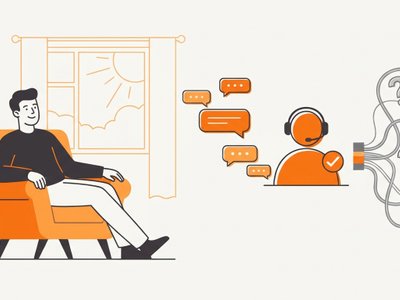
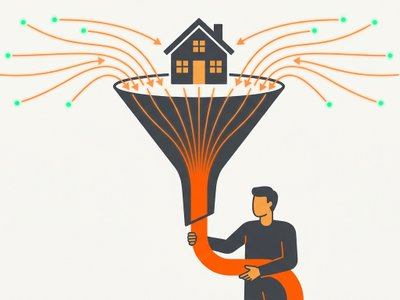
That is the whole mechanism. Nobody screened them, nobody asked for proof of funds, nobody turned anyone away. The property answered their questions before they ever spoke to a human, and the ones who still want to visit are the ones for whom the answers worked.
What the visit is actually for
Worth being honest about what a screen cannot do, because this is where owners get sold a fantasy.
A tour cannot convey a damp smell. It cannot tell you the walls are thin, or that the street is loud at two in the morning, or that the building's common areas are tired. It cannot show the neighbor's yard or the state of the roof from the patio. The first visit being digital does not remove the second one, and any owner who believes otherwise will be disappointed.
What the tour removes is the discovery work. So the visit that remains is spent on the things only a visit can answer: noise, smell, light at the actual hour, the feel of the street, the condition of what the camera cannot reach.
That is a much better use of a Saturday. It is also a much better conversation. A buyer who arrives already knowing the layout does not spend the first ten minutes asking where the bathroom is. They ask about the roof, the taxes, the neighbors and the closing date, which are the questions that precede an offer.
What the owner stops doing
The practical effect on the seller's week is larger than most owners expect.
There is no schedule of speculative visits. No taking a morning off because someone might come at eleven. No tidying the house four times for four people who were never going to buy. Production happens in one visit, with people and pets out during the session, and after that the property is on show continuously without anyone needing to open a door.
That last part matters most when the house is hardest to show. If you are still living there, or the property is rented out, the weeks when buyer interest peaks are exactly the weeks when showing is most awkward. A listing that works without a door being opened keeps selling while the house is full.
The inquiries change character too. On a domizello listing the buyer presses a contact button and a professional broker handles the conversation; the owner's phone number is never handed over. What reaches the seller is not a stranger testing whether the price will move. It is a broker with a buyer who has already walked the property and wants to see the two things a screen cannot show.
And there is a trust layer underneath all of it. Uruguay has no shared listing database, so the same property can appear in several places at different prices with different photographs. A buyer who has seen three versions of your house does not know which one to believe, and hedging their bets by visiting all three is a rational response. One complete, current presentation removes that ambiguity, and with it a category of visit that exists only to compare versions.
If you are preparing to sell, the order that works is: get the property ready once, have the visual file produced properly, and then let it work. A listing with only photographs now reads as incomplete, and the owners who feel that first are the ones competing in the busiest price bands.
The next step is to see what presenting your property on domizello involves, with or without an agency, and to look at your house the way the next buyer is about to look at it.
Sources
domizello Help Center: "What is the interactive 3D tour?" – what every listing includes: an interactive 3D tour walked room by room from a phone or computer, a fly-through video, and a 3D floor plan with a sun-path simulation.
domizello Help Center: "Why can't I contact the owner directly?" – every inquiry is handled by a vetted broker who carries professional liability: the listing's featuring broker or, when the owner listed the property directly, a broker that domizello assigns.
Frequently Asked Questions
Why do so many house visits end without an offer?
Because the visit is doing two jobs at once. The buyer is discovering what the property is like and verifying whether it matches what they were told. Only the second job needs a person in the room. When a listing cannot answer the discovery questions, the buyer shows up to find out, and many of them discover in the first minutes that the property is not for them. That is a listing problem, not a buyer problem.
Can a 3D tour replace a physical visit?
No. A screen cannot convey a damp smell, thin walls, street noise at night or the condition of common areas. What the tour replaces is the discovery work, so the visit that remains goes to the questions only a visit can answer: noise, light at the actual hour, the feel of the street, and the parts of the property a camera cannot reach.
Do I have to screen buyers before letting them visit?
No, and you should not have to. The mechanism is not screening, it is information. When the listing carries a complete visual file, buyers answer their own questions before they contact anyone, and the ones who still ask for a visit are the ones for whom the answers worked. Nobody is turned away and nobody is asked to prove anything.
How many times do I have to prepare my house for visits?
Once, for the production session. The property needs to be ready when the team arrives and empty of people and pets during the shoot, which is usually a morning. After that the listing is on show continuously and the material keeps working without anyone opening a door, so there is no repeated tidying for speculative visits.
Who answers the inquiries when I sell my own property?
A professional broker does. The buyer presses the contact button on the listing and the conversation runs through the platform, so your phone number is never given out. What reaches you is a broker with a buyer who has already walked the property, not a stranger testing whether the price will move.