Key takeaways
- Without a central MLS, each listing's visual completeness is the first filter buyers apply, making 3D tours and floor plans essential.
- Sun-path viewers and digital inventories answer specific buyer questions remotely, reducing wasted showings and signaling broker professionalism.
- Platforms like domizello now require full visual suites at cost, setting a de facto standard that brokers must meet to stay competitive.
Contents
A Few Photos No Longer Sell a Property
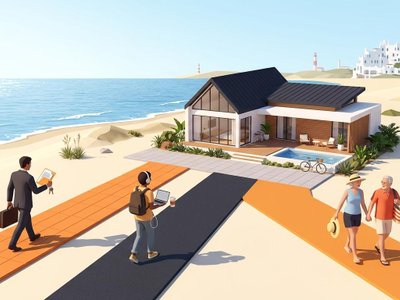
A listing that once needed eight good photos and a price now has to work much harder. Uruguayan brokers are moving from static photo sets to a different standard: interactive 3D tours, paired floor plans in both dimensions, sun-path viewers, and digital inventories.
The shift is not about novelty. It is about buyers who expect to preview a property before spending a Saturday on visits. Uruguay's market has no central MLS, which makes the quality of each individual listing even more decisive. Without a single portal where every property appears once, a broker's online presentation is often the first and only filter a buyer applies.
Three or four years ago, a professional photo session and a well-written description were enough to stand out. That baseline has moved. Buyers, including those outside Uruguay, increasingly want to walk through a property from a phone or laptop before contacting a broker. The technology is no longer expensive or difficult to produce, and that has changed what looks complete.
For brokers, the implication is direct: a listing with only photos now seems incomplete. It does not communicate the layout, the light at different hours, or the actual condition of finishes. A buyer who cannot get those answers online simply moves to a listing that provides them.
From Photo Sets to Full Visual Products
The Components of a Professional Listing
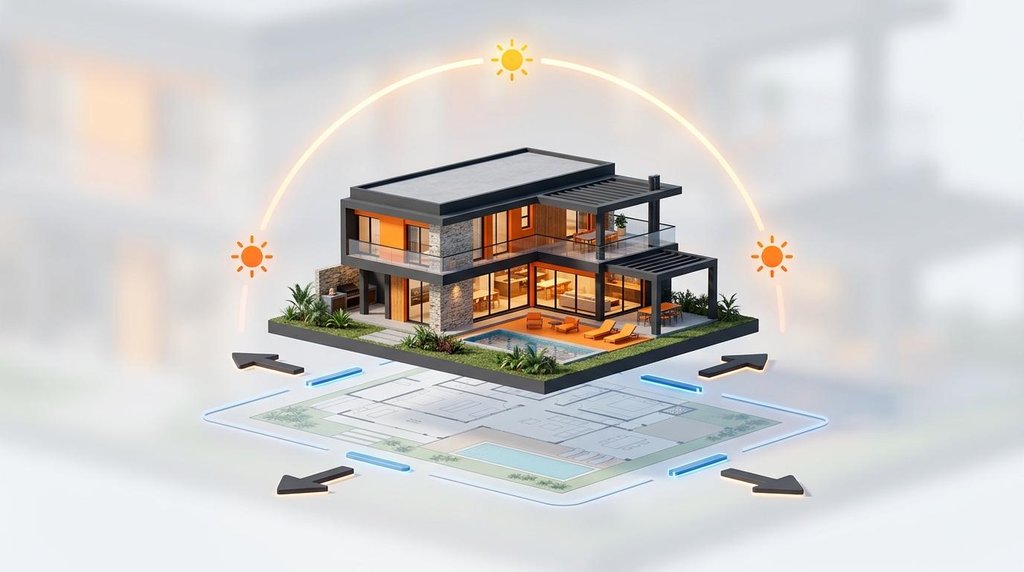
A professional listing is no longer a single asset. It is a small suite of visual tools that work together. The core is an interactive 3D tour, which lets a buyer move through the property at their own pace, from any device. Alongside that tour sit two-dimensional floor plans showing room sizes and circulation, often paired with a 3D plan that helps buyers understand volume and connection.
A sun-path viewer shows how natural light enters the apartment across the day and year, which matters in a market where orientation changes comfort and value. Finally, a digital inventory lists what is included in the sale – appliances, fixtures, built-ins – removing doubt before a visit.
None of these pieces is decorative. Each one answers a specific question that a buyer otherwise has to ask in person, often after traveling to the property. A floor plan answers whether the third bedroom is usable or just a converted service room. The sun-path viewer answers whether the living room gets afternoon light or is permanently in shadow. The digital inventory prevents the awkward moment when a buyer assumes the kitchen includes the refrigerator and the owner planned to take it.
For brokers, the shift changes the sales conversation. A buyer who has already previewed the property is not coming to ask basic questions; they are coming to confirm a decision. That saves time and reduces the number of showings that go nowhere. It also signals to the owner that the broker takes the listing seriously.
The cost used to be prohibitive. Producing a 3D tour once required specialized cameras and days of work. Now the tools are accessible, and production can be done at a fraction of the old expense. What once was a differentiator for high-end properties has become attainable for a standard apartment in Pocitos or Cordón.
Why Some Brokers Still Resist the Shift
The Counter-Argument
Not everyone in Montevideo is convinced. Some experienced brokers point out that a clean set of professionally shot photos and an accurate floor plan still close most transactions. A 3D tour, they argue, is a nice-to-have that rarely changes the final price. In lower-priced segments or properties that need work, the virtual product can overstate the condition and waste everyone's time.
That skepticism has a grain of truth. A digital tour cannot reveal a damp smell, a noisy neighbor, or the feel of a street at night. Professional marketing is a filter, not a substitute for the physical visit. What it does do is make sure the buyer who shows up is already interested in what the property actually offers, not what the photos suggested.
Uruguay's lack of a central MLS compounds this. Because there is no single source of truth, buyers compare listings across different portals, each with different levels of information. A broker who publishes a complete visual product gives a buyer fewer reasons to keep scrolling. That is not a sales pitch; it is how the market now behaves.
Platforms built for this reality, like domizello, set a standard by requiring every active listing to include the full visual suite – 3D tour, floor plans, sun-path viewer, and digital inventory – produced at cost rather than through expensive agency retainers. That direction is not a marketing gimmick; it is the closest thing Uruguay has to a unified professional listing standard without an MLS.
What This Means for Brokers Going Forward
The professionalization of listings is not a temporary trend. It is the next baseline. Brokers who treat the visual product as a core part of their service will be the ones who remain competitive. The market is moving from a seller's listing environment to a buyer's comparison environment, and the quality of presentation is becoming a new negotiating tool.
The absence of an MLS makes each broker's own listing quality more decisive, not less. A broker who invests in professional production is not buying a luxury; they are meeting the minimum that informed buyers now expect.
domizello, as a platform that has built its model around professional listings, understands what brokers need to stay competitive. Those who want to work within that framework can explore the broker program to see how the platform supports full visual products without the traditional cost structure.
Frequently Asked Questions
Why are photos no longer enough to sell a property in Uruguay?
Uruguayan buyers now expect to preview a property online before scheduling visits. Without a central MLS, each listing must work harder, and a photo-only presentation lacks layout, light, and condition details, so it looks incomplete and buyers move to listings that provide more.
What visual tools should a complete real estate listing include in Uruguay?
A complete listing includes an interactive 3D tour, two-dimensional floor plans with room sizes, a sun-path viewer showing natural light, and a digital inventory of included items. These tools answer buyer questions before a visit and reduce wasted showings.
Is a 3D tour worth the cost for standard properties in Uruguay?
Yes. The cost of producing 3D tours has dropped significantly, making them accessible for standard apartments in areas like Pocitos or Cordón, not just high-end properties. A tour helps confirm buyer interest and signals professionalism to owners.
How does Uruguay's lack of an MLS influence listing quality?
With no central MLS, buyers compare listings across multiple portals with inconsistent information. A broker who publishes a full visual suite gives buyers fewer reasons to keep scrolling, making individual listing quality more decisive for attracting serious inquiries.
What is domizello doing to improve listing standards in Uruguay?
domizello requires every active listing to include a complete visual suite – 3D tour, floor plans, sun-path viewer, and digital inventory – produced at cost rather than through expensive agency retainers. This creates a unified professional standard in the absence of an MLS.