Key takeaways
High-season buyers peak exactly when coastal properties are occupied, making conventional showings inaccessible and causing listings to go quiet.
In an occupied listing, access, condition, and timing are controlled by the occupant, so brokers stop suggesting the property even when it fits the buyer's brief.
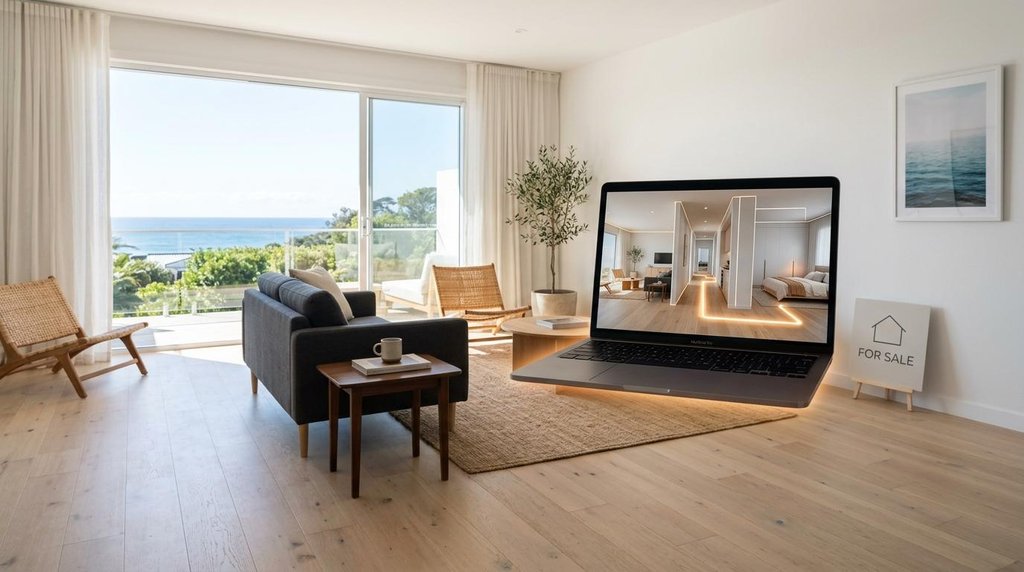
A virtual walkthrough as the digital first visit filters out tire-kickers without disturbing tenants or owners, so physical showings happen only for serious buyers.
Contents
When a seller locks the door for summer, the listing goes quiet
Uruguay's coast runs on a simple rhythm: buyer interest reaches its highest point exactly when occupancy does.
In the high-season stretch, the same houses that buyers want to see are often full of people. Owners reopen them. Tenants stay in them. Guests come and go.
For a broker, that makes the strongest selling window the hardest one for a conventional showing.
The property does not stop being marketable. It stops being accessible.
The showing bottleneck nobody budgets for
Most showings depend on a short chain: the key is available, the house is presentable, and the buyer can walk in at a fixed time.
In an occupied property during high season, every link in that chain weakens at once.
An owner on holiday does not want to return for a half-hour visit. A tenant has no reason to open the door to a stranger. Even a cooperative occupant needs notice, privacy, and a moment to tidy up.
The result is not just inconvenience. It is a listing that quietly drops off the buyer's shortlist.
What actually happens in an occupied property
A conventional visit turns into a negotiation before it starts.
The broker asks for access. The occupant checks the calendar. The buyer waits. Sometimes the visit happens with the family still in the kitchen or luggage in the hall.
None of that helps a buyer understand the house. It helps them remember the friction.
A broker who cannot secure access will often stop suggesting the property, even when it fits the buyer's brief perfectly.
Access is uncertain: the occupant, not the broker, controls the schedule.
Condition is unpredictable: the property is shown as a home in use, not as an asset.
Timing is narrow: high-season buyers have days, not weeks.
Each issue looks manageable alone. Together, they push occupied stock out of the active conversation.
This explains why an occupied listing can sit untouched while an empty property with less charm gets five visits in one weekend.
The difference is not quality. It is friction.
What seasonal pressure reveals about Uruguay's sale market
The high-season squeeze is not a secret. Every coastal broker has lived it.
But the market's default response has been to wait. Wait for the tenant to leave. Wait for the owner to return. Wait for the house to be empty enough to show.
That waiting creates a strange asymmetry: the moment with the most buyer attention is the moment when a large slice of inventory goes quiet.
The problem is not lack of demand. It is a showing model built for unoccupied properties.
The usual objection is that a buyer cannot decide without walking through the house. That is true, but it misses the order of decisions. Buyers first need to rule properties out. A virtual walkthrough can do that without disturbing anyone.
Only after that first filter does a physical visit become necessary, and by then the broker has spent time only on genuinely interested buyers.
Foreign buyers often arrive in Uruguay with a fixed window. They cannot wait until the tenant leaves in March. By then they have returned to Buenos Aires, São Paulo, or Madrid.
A virtual tour changes the unit of time from a scheduled visit to an immediate preview.
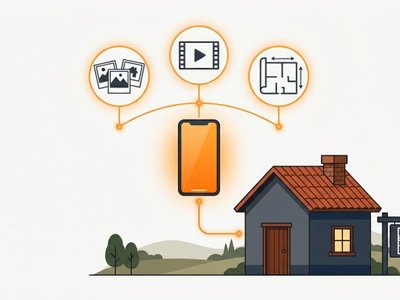
Some platforms have started treating that digital first look as the foundation, not an afterthought. Interactive tours, floor plans, sun-path views and professional video let an occupied property keep working while the door stays shut.
Domizello has made this part of its model for exactly that coastal reality. A property appears once on domizello, with current information and a full visual record, so buyers can preview before a broker arranges the visit.
The listings that stay live when the door stays shut
The coastal market will always be seasonal. The change is in how brokers treat the season.
Instead of treating occupancy as a reason to pause, the strongest listing strategy keeps the property visible through a complete virtual walkthrough. A buyer abroad or in Montevideo can screen it in minutes. A buyer in Punta del Este can decide which visits deserve the afternoon.
For the broker, that means fewer dead showings and less time waiting for keys.
Owners also feel the difference: they are not pressured to vacate, and they do not miss the sales window that their own holiday creates.
Uruguay's market is maturing toward a cleaner sequence: the first visit is digital, the second visit is physical, and the property never has to go dark.
Domizello understands that rhythm. For agents who work the coast, the broker program is built around keeping occupied inventory visible, current, and ready for the buyers who are already there.
Frequently Asked Questions
Why do occupied properties often get fewer showings during Uruguay's high season?
Access is controlled by the occupant rather than the broker, condition is unpredictable because the home is shown as lived-in rather than staged, and high-season buyers have very narrow schedules. These frictions push occupied listings off many buyers' shortlists even when demand is strongest.
How can virtual walkthroughs help sell an occupied home on Uruguay's coast?
A virtual tour lets buyers preview the property immediately from anywhere, so they can rule it in or out before requesting a physical visit. This reduces pressure on occupants and helps brokers spend time only on genuinely interested buyers.
What is the biggest showing bottleneck for occupied coastal properties?
The biggest bottleneck is the short chain of access, presentation, and timing. In an occupied property during high season, all three weaken at once: owners or tenants may not open the door, condition is unpredictable, and buyers have limited days to decide.
Can a buyer decide on a property without walking through it first?
Buyers usually cannot finalize a purchase without a physical visit, but they can filter options. A digital first look, such as interactive tours, floor plans, and video, lets buyers eliminate unsuitable properties quickly so the eventual in-person visit is reserved for serious candidates.
How does domizello help brokers keep occupied inventory visible?
Domizello treats a complete virtual walkthrough as the foundation of a listing, keeping each property current and visible even when the door stays shut. This supports a cleaner sequence where the first visit is digital and the second is physical.