Key takeaways
- Uruguay's lack of a central MLS means a dedicated property mini-site eliminates duplicate-listing noise and gives buyers a single, current source.
- A digital inventory itemizing fixtures, finishes, and measurements removes the routine questions that clog a broker's inbox after the first photo set.
- Remote buyers, a daily reality in Uruguay, need enough detail to rule a property in before traveling, and a complete file lets them do that without back-and-forth.
Contents
The showing that happens before the phone call
In Uruguay, the first showing often happens before the first inquiry. A buyer in another city or country opens a listing, moves through it on a screen, and decides whether the property deserves a call to a broker.
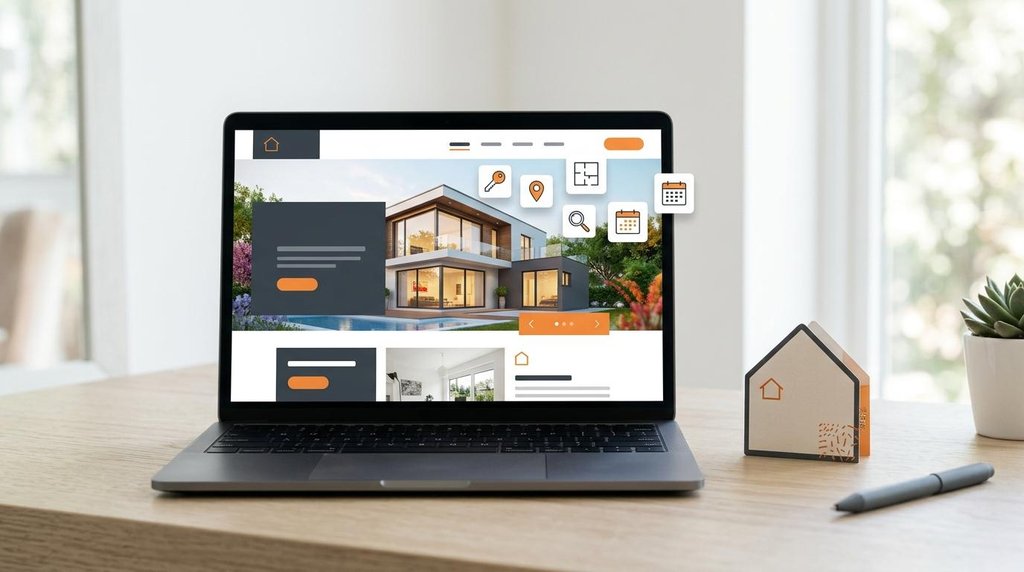
That shifts the listing's job. It is no longer an ad with a few photos and a price. It is a file, a property's own mini-site, and the first real test of whether a broker has done the work.
When that file is thin, the silence is loud. Buyers scroll away, ask the same basic questions, or never reach out at all.
A listing that cannot answer questions on its own pushes all the work back onto the broker, one message at a time. A listing that can answer those questions changes the entire conversation.
What a virtual package actually carries
A complete virtual package is built around a simple idea: the buyer should be able to examine the property without standing in it. That means more than a 3D tour spinning in a browser. It means a set of assets that each answer a different question.
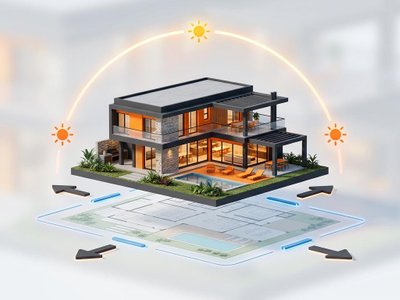
The package typically includes an interactive walkthrough, clear floor plans, professional photos, a fly-through video, a sun-path viewer, and a digital inventory. The floor plans, sun-path viewer, and digital inventory sit alongside the 3D tour, not inside it. Each piece carries a different part of the story.
- Interactive walkthrough – lets a buyer move through rooms at their own pace.
- Floor plans – show how spaces connect before a buyer visits.
- Sun-path viewer – makes orientation and natural light concrete.
- Digital inventory – itemizes fixtures, finishes, materials, and measurements in one shareable file.
- Fly-through video – compresses the property into a quick first pass for distracted buyers.
The digital inventory is the part most listings still skip. A documented list of what stays, what was renovated, and how the kitchen is finished removes the questions that usually fill a broker's inbox after the first photo set.
Paired with a property's own mini-site, that package becomes a single link that travels well. It opens cleanly in WhatsApp, email, or a browser, without the clutter of a portal's competing listings and banner ads.
A buyer who can inspect the finishes and measurements from another city can build a shortlist without asking for more material. That filters out the merely curious and leaves showings for people who are already moving toward a decision.
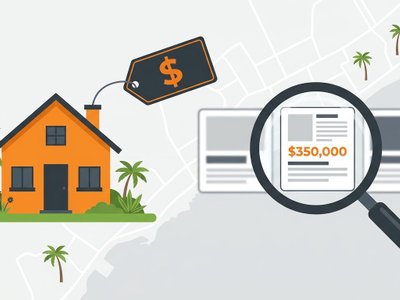
The difference between a portal link and a property mini-site is not cosmetic. A portal shows the property next to ten competitors and gives ten reasons to leave. A mini-site holds the buyer inside one property long enough to make a real assessment.
Why Uruguay's fragmented market rewards the heavier file
Uruguay's property market has no central MLS. A listing can appear in several places with different photos, different prices, and different expiration dates. The buyer rarely knows which version is current.
A dedicated property page changes that at the level of one listing. It gives the buyer a single address for the property, with everything the broker knows attached to it. When that page is kept current, it appears once and is presented by one brokerage, so the duplicate-listing noise disappears at the source.
There is a tension worth naming. Some brokers still believe that a lighter listing creates curiosity and forces a showing. In practice, the opposite tends to be true: buyers who have already seen the full file arrive with sharper questions, not fewer.
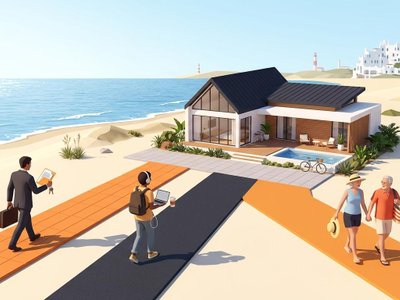
Remote buyers, in particular, do not schedule travel for a maybe. They need enough detail to rule a property in before they get on a plane. A complete file lets them do that without a broker sending photos one by one.
The heavier file also changes the broker's day. Instead of answering whether the main bedroom faces the street and whether the oven is included, a broker can spend the first call on timing, financing, and the buyer's actual constraints.
Uruguay has long drawn buyers from neighboring countries and from further abroad. That makes remote inspection a daily reality, not an edge case. The listing that can carry the full property across a border is the one that stays in the conversation.
The listing that travels becomes the listing that closes
The listing is no longer a poster on a portal. It is a small publishing project: a property's own mini-site, a documented inventory, and a set of visuals that answer the questions buyers actually ask.
That heavier file travels further because it is easy to share with a partner, a family member, or an adviser. A portal link competes with other listings. A property's own page keeps the attention where it belongs.
The broker remains the point of contact. The file does the preliminary work, but the personal judgment, the negotiation, and the local knowledge still belong to a person. That is why the complete package is a tool, not a replacement.
For brokers in Uruguay, the shift is practical. The agents who treat each listing as a complete, portable file spend less time chasing basic questions and more time moving serious buyers through the process.
Over time, listings that cannot answer questions on their own will look incomplete by comparison. The baseline is moving.
That is the principle domizello has built around: a complete virtual product on every listing, with the broker still at the center of the conversation. Brokers who want to see how that works in practice can find the broker program details separately.
Frequently Asked Questions
What should a complete virtual property package include in Uruguay?
A complete virtual package typically includes an interactive walkthrough, floor plans, professional photos, a fly-through video, a sun-path viewer, and a digital inventory. Each asset answers a different buyer question so the property can be examined without standing in it.
Why does Uruguay's fragmented market reward listings with more detail?
Without a central MLS, listings can appear with different photos, prices, and expiration dates. A dedicated property page with a complete file gives buyers one current, broker-managed source, reducing duplicate-listing noise and building trust.
How does a property mini-site differ from a standard portal listing?
A portal shows a property next to competitors and ads, giving buyers reasons to leave. A property mini-site holds attention on one listing, presents the full package, and travels cleanly through WhatsApp or email without distractions.
Why do remote buyers need a complete listing before scheduling a visit?
Remote buyers do not travel for a maybe. They need enough detail – finishes, measurements, orientation, and inventory – to rule a property in before getting on a plane, so the complete file lets them decide without one-by-one photo requests.
How does a heavier listing file change a broker's daily work?
The file answers routine questions about room orientation, included fixtures, and finishes. Brokers can spend the first call on timing, financing, and buyer constraints instead of sending basic material and fielding repetitive inquiries.